
Saudi Arabia Introduces Live Crowd-Density Information for Tawaf and Sa’i Areas
26 Oct, 2026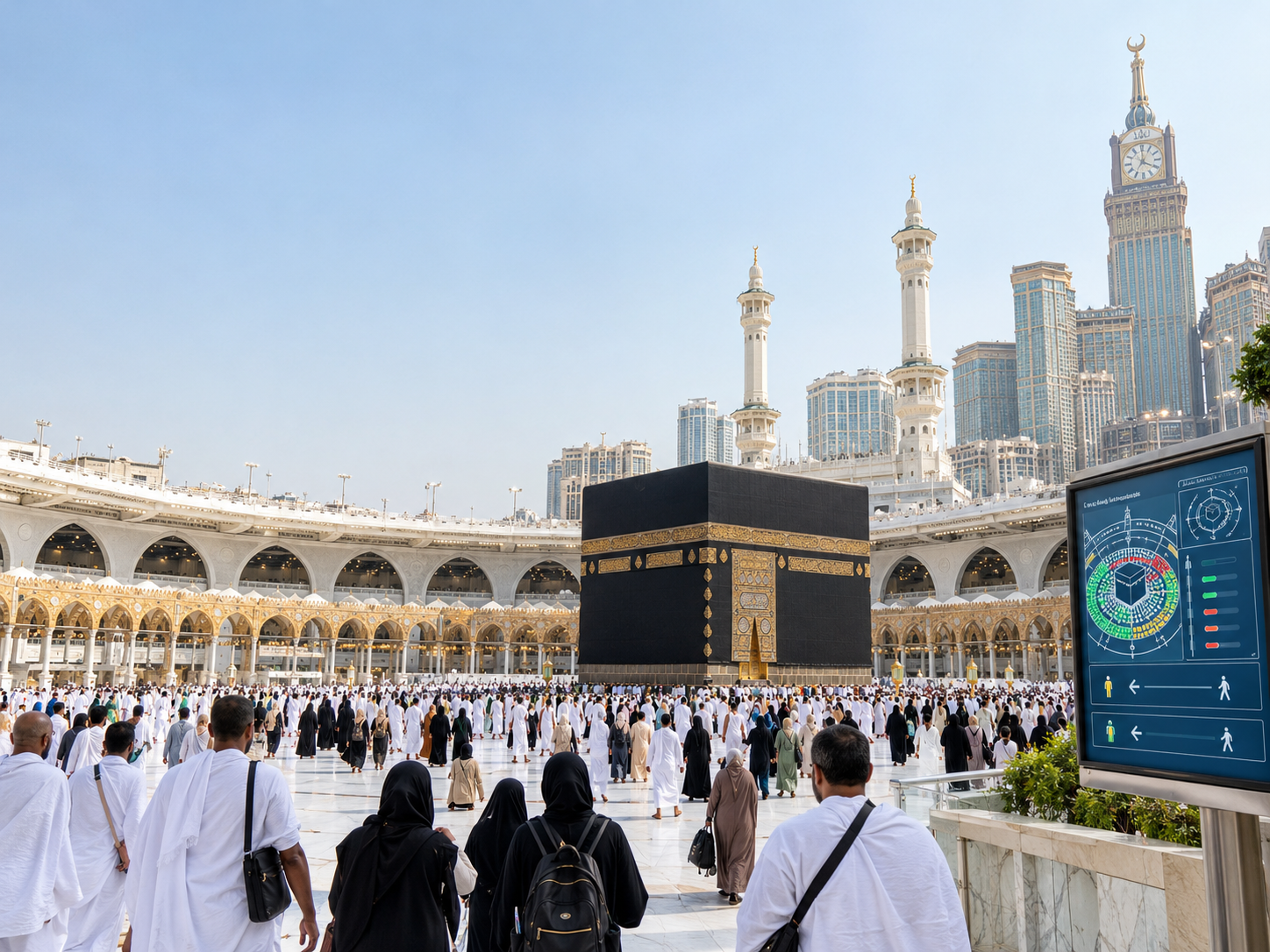
Saudi Arabia is continuing to expand digital services designed to help pilgrims navigate the Two Holy Mosques, with official updates in October 2026 highlighting live crowd-density information for the Tawaf and Sa’i areas. The service is particularly relevant for Pakistani Muslims preparing for Umrah, as it provides additional information to consider when planning visits to Masjid al-Haram in Makkah.
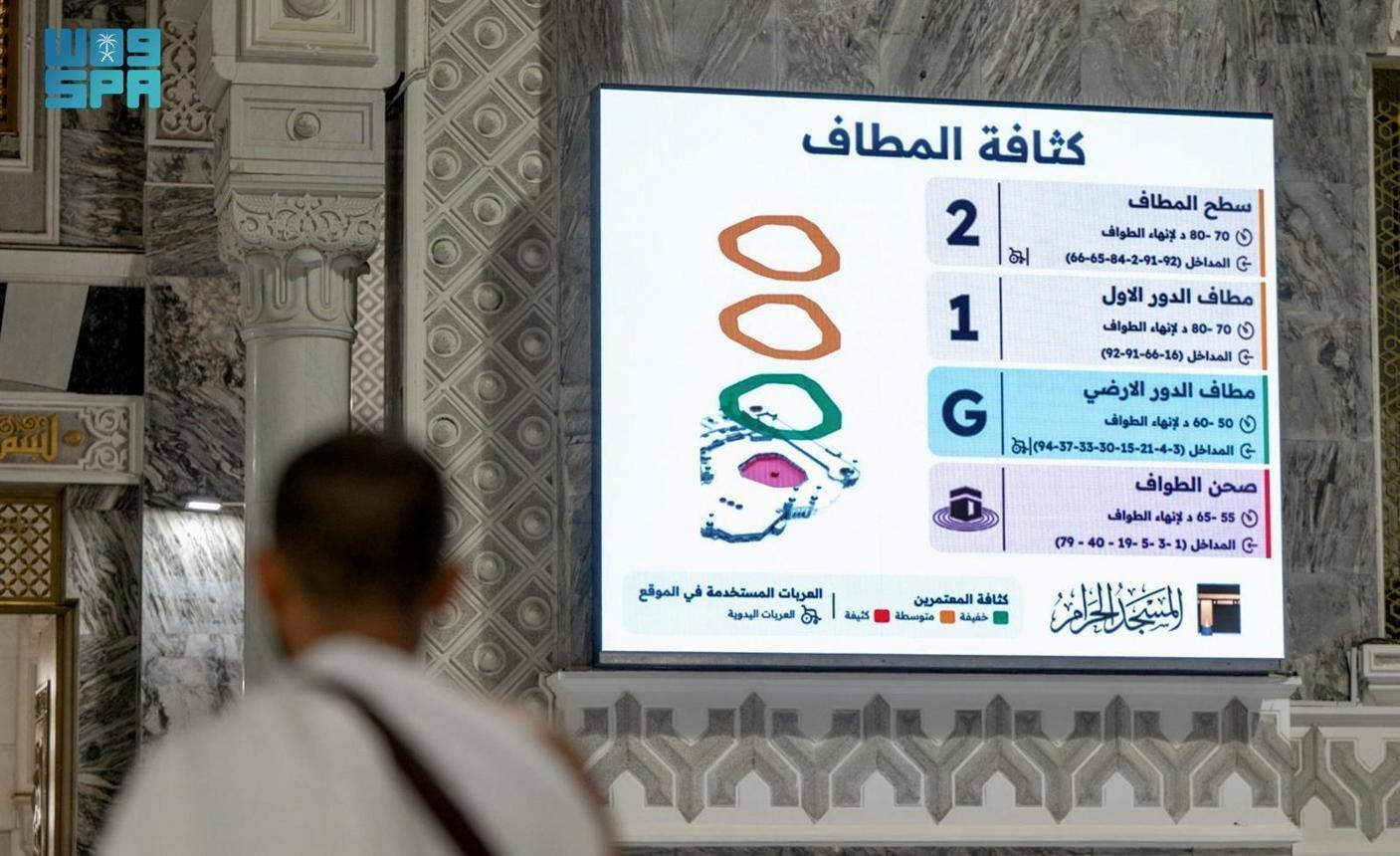
According to the Saudi Press Agency (SPA), the General Authority for the Care of the Affairs of the Grand Mosque and the Prophet’s Mosque introduced an electronic service that enables visitors to view real-time crowd density and identify less crowded routes. The original launch was reported on 17 July 2026, while the Pilgrim Experience Program highlighted related digital services again on 17 October 2026.
How the live crowd-density service works
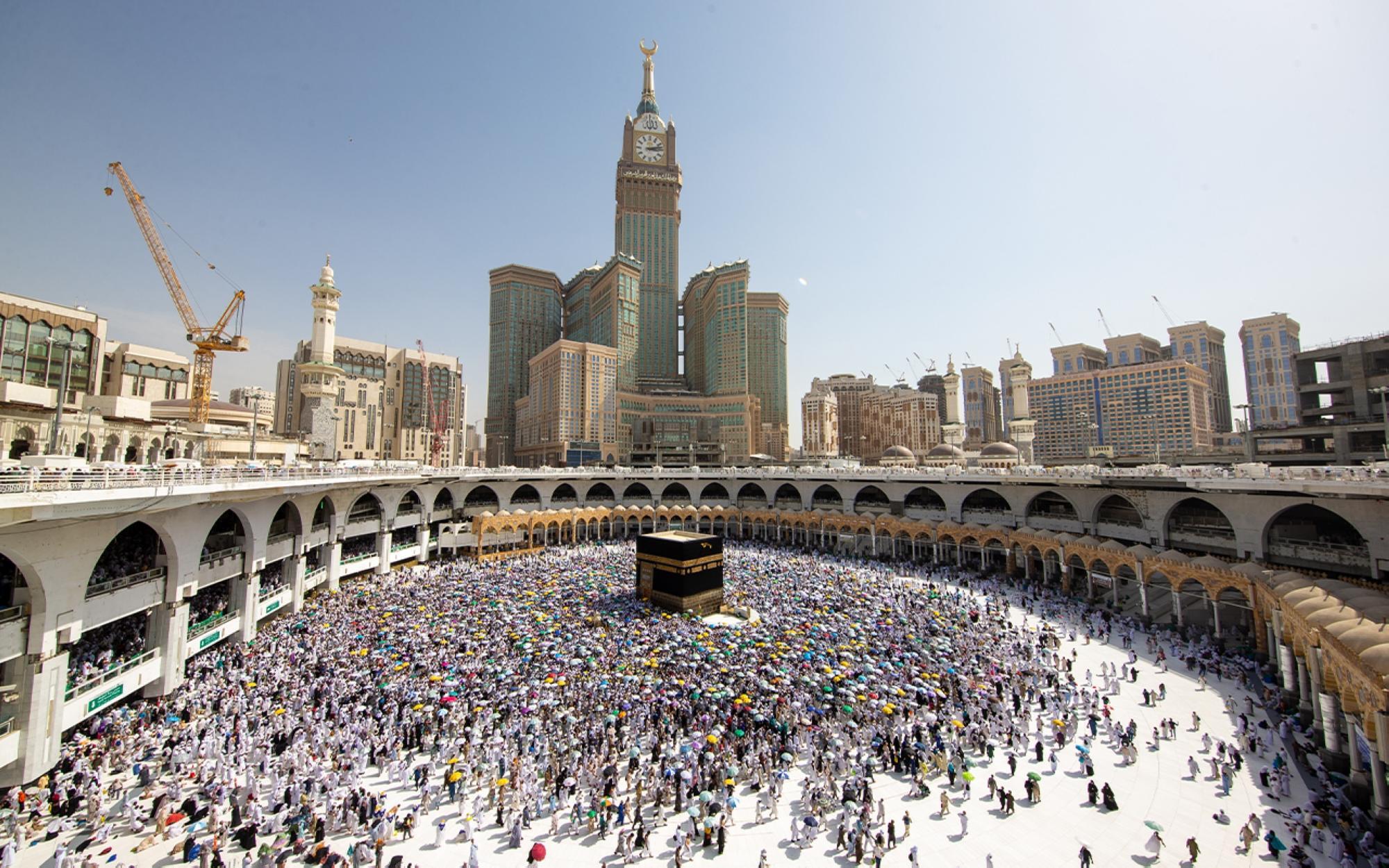
The service provides crowd-density indicators and real-time updates for the Tawaf and Sa’i areas. These are two important parts of the Umrah pilgrimage:
Tawaf: Walking around the Holy Kaaba in Masjid al-Haram.
Sa’i: Walking between Safa and Marwah as part of the Umrah rituals.
By checking the available crowd information, pilgrims can make more informed decisions about when to approach these areas and which routes may be less congested. Actual crowd conditions can change quickly, so the information should be treated as a planning aid rather than a guarantee of waiting times or uninterrupted access.
The Saudi authorities have encouraged visitors to use their official website and digital platforms to access the service.
Digital maps offer additional guidance for mosque visitors
An October 2026 report carried by the Saudi Press Agency also highlighted an interactive map covering landmarks, facilities and routes across the Two Holy Mosques.
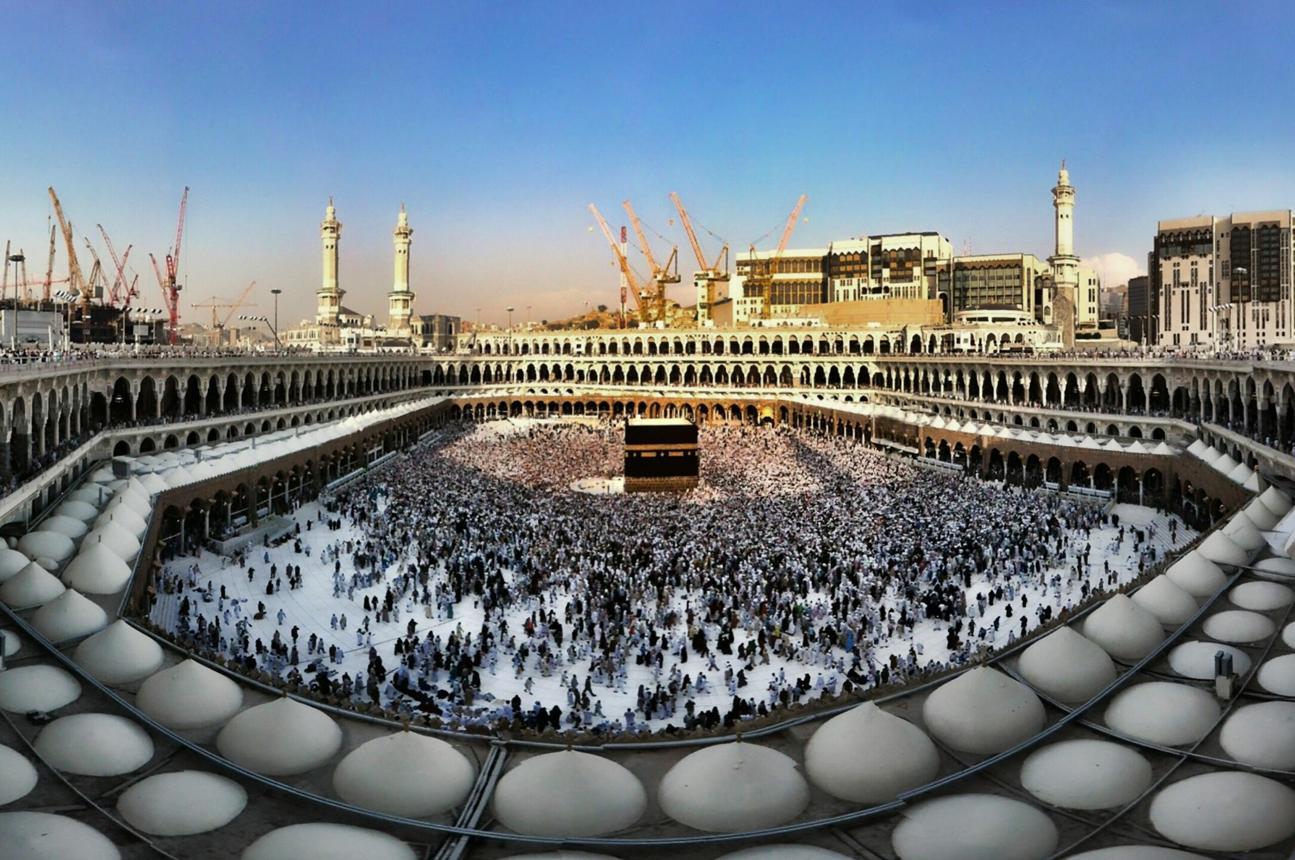
The platform includes approximately 950 points of interest, more than 100,000 potential routes and over 650 QR codes providing access to information. It also identifies accessible routes and facilities for people with disabilities.
These navigation features can help visitors locate facilities and understand their surroundings, particularly when visiting an unfamiliar part of the mosque complex. Pilgrims should follow on-site instructions and directions from mosque personnel whenever these take precedence over information on a screen.
What Pakistani Umrah pilgrims should do before travelling
For pilgrims departing from Lahore, Karachi, Islamabad and other Pakistani cities, preparation should begin before arriving in Saudi Arabia.
1. Review official guidance. Check the official Pilgrim Experience Program and relevant Saudi government platforms for current information about crowd services and mosque facilities.
2. Plan your group arrangements. Families and group travellers should agree on a meeting point in advance in case members become separated in a crowded area.
3. Allow flexibility in your schedule. Flight arrival times, hotel check-in, prayers and group transport can affect when you reach Masjid al-Haram. Avoid making tight plans that depend on a specific crowd level.
4. Confirm accommodation and transport. Before booking an Umrah package, check the hotel name, location, transport arrangements, inclusions and any additional charges with your travel provider.
5. Consider accessibility needs. Pilgrims travelling with older relatives or people with mobility limitations should ask their group leader or service provider about suitable routes and assistance.
What this means for Umrah packages from Pakistan
Digital guidance can make pilgrimage planning more informed, but it does not replace a well-organised travel arrangement. Customers comparing Umrah packages should also consider hotel proximity, airport transfers, the length of their stay in Makkah and Madinah, and the support available from their travel provider.
UmrahOne.pk can use this development to help customers understand how to prepare for their journey. Travellers should confirm current package prices, availability, visa arrangements and service inclusions directly with the company before making a booking.
For pilgrims planning Umrah in 2026–2027, the practical approach is to combine official Saudi guidance with a flexible itinerary and clear arrangements for accommodation and transport.
Frequently asked questions
1. What is Saudi Arabia’s live crowd-density service?
It is an electronic service that provides real-time crowd-density indicators and updates for the Tawaf and Sa’i areas at the Grand Mosque in Makkah, helping visitors consider less crowded routes.
2. When was the service announced?
The original service launch was reported by the Saudi Press Agency on 17 July 2026. Related digital services were highlighted by the official Pilgrim Experience Program on 17 October 2026.
3. Can Pakistani Umrah pilgrims use the service?
The service is intended for visitors to the Grand Mosque. Pakistani pilgrims should consult the official Saudi digital platforms for the current access method and availability.
4. Does the service guarantee a shorter wait for Tawaf or Sa’i?
No. Crowd information can help pilgrims plan, but conditions may change quickly. The service does not guarantee a specific waiting time or a congestion-free route.
5. Does the crowd-density service replace the Nusuk app or an Umrah visa?
No. Crowd-density information is a separate navigation aid. Pilgrims must still meet the applicable visa and entry requirements and follow official instructions for their journey.
6. What should I check before booking an Umrah package from Pakistan?
Confirm the package price, visa arrangements, flights, hotel details, transport, travel dates and included services. Ask for written confirmation of the arrangements before paying.
Related News
-
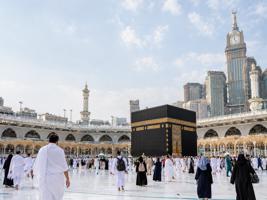
29 Oct, 2026 Saudi Arabia Highlights Digital Crowd Monitoring for Tawaf and Sa’i
Saudi Arabia highlighted its digital crowd-monitoring and navigation services for visitors to the Two Holy Mosques in an October 2026 report. Pakistani Umrah pilgrims can use official information to prepare for Tawaf and Sa’i, understand mosque facilities and organise their travel plans more effectively.
read more -
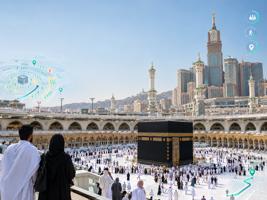
22 Oct, 2026 Saudi Arabia Introduces Digital Crowd Monitoring for Umrah Pilgrims
Saudi Arabia's digital services allow visitors to check crowd-density information around the Tawaf and Sa'i areas of the Grand Mosque and explore an interactive map of the Two Holy Mosques. Pakistani Umrah pilgrims can use these resources to plan their worship, navigate facilities and prepare for their journey with greater awareness.
read more -
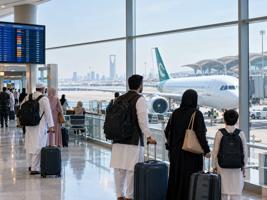
19 Oct, 2026 SalamAir Flight Cancellations What Pakistani Umrah Travelers Should Know
SalamAir's October 2026 travel notice lists cancellations affecting flights to and from Dammam and Riyadh. Pakistani Umrah pilgrims should check their complete itinerary, confirm flight status with the airline, and review rebooking arrangements before leaving for the airport.
read more -
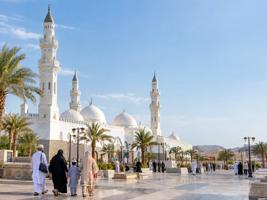
15 Oct, 2026 Saudi Arabia Blocks Seven Online Platforms Over Tourism Law Violations
Saudi Arabia blocked seven online platforms for providing travel and tourism services, including domestic Umrah packages and tourist excursions, without meeting regulatory requirements. The October 2026 announcement highlights why Pakistani pilgrims should verify provider credentials, accommodation arrangements and written package terms before making payments.
read more -
12 Oct, 2026 Saudi Umrah Program Highlights Madinah Ziyarat for Pakistani Pilgrims
Saudi Arabia's Umrah and Visit Program welcomed around 250 pilgrims from 21 countries, including Pakistan, for visits to important Islamic and historical sites in Madinah. The October 11, 2026 announcement offers a timely opportunity for Pakistani pilgrims to plan their Umrah journey and understand the Ziyarat options available through their travel arrangements.
read more